

That is the line our CEO Jodie Hawkes opened with on stage at the Australian Steel Institute conference this month, in front of a room full of the country’s steel industry leaders. It is not a sign off for us. It is how complex work actually gets done, clients, designers, suppliers, fabricators and our own people, all pulling in the same direction, and our region and our people stronger for it.
The program had Jodie speaking straight after a session on designing for delivery, and right before a deeply technical talk on defence steels. So her job was to be the practical bridge between design theory and what actually happens once steel hits the workshop floor. Fitting, given bowhill specialises in building bridges.
Here is the story she told, and the support behind every part of it.
Purpose
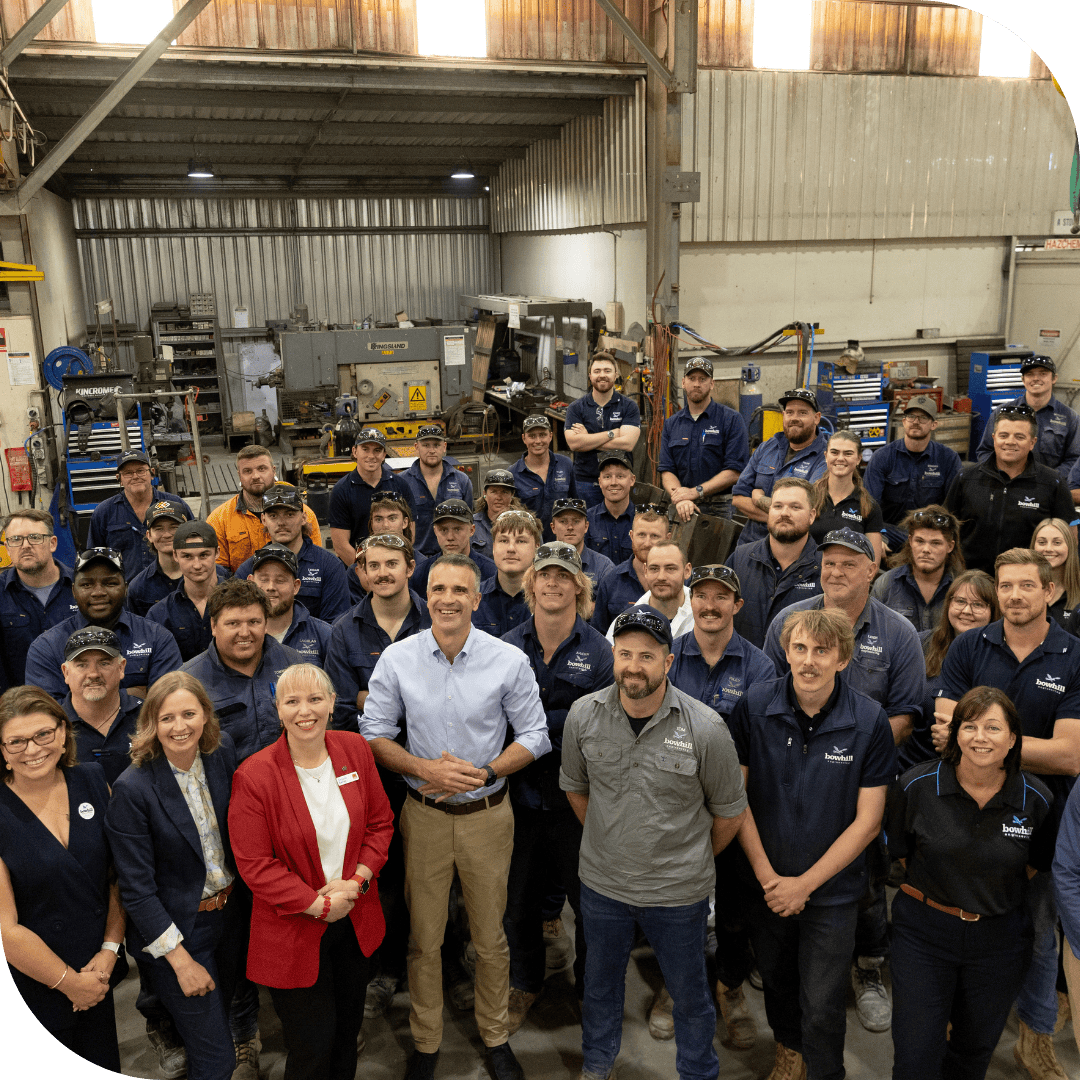
Bowhill turns ambitious infrastructure requirements into practical, buildable steel outcomes. We started as a family business in regional South Australia, and that origin is still part of our DNA. We are now in our second generation, with more than 90 permanent people, 30 subcontractors and 15 apprentices coming through.
Jodie was upfront with the room that she is not an engineer or a welder, and was not there to teach steel experts how a seven axis robot lays a weld. But she has signed the cheque for three of them, and every new machine raises the same question. Is it there to help people, or replace them.
One story she shared was a genuine toss up. The equipment manufacturer strongly recommended one software platform. It was the safe, on paper choice, on a significant financial commitment. But the people who would actually use it every day wanted something different. Rather than picking a side, bowhill invested in both and ran a real trial. It cost more upfront, but it meant the decision came from evidence, not a demonstration. The team’s choice won out, and that is the system still in use today. Backing a technical decision does not mean having certainty. It means trusting the people closest to the work.
Project
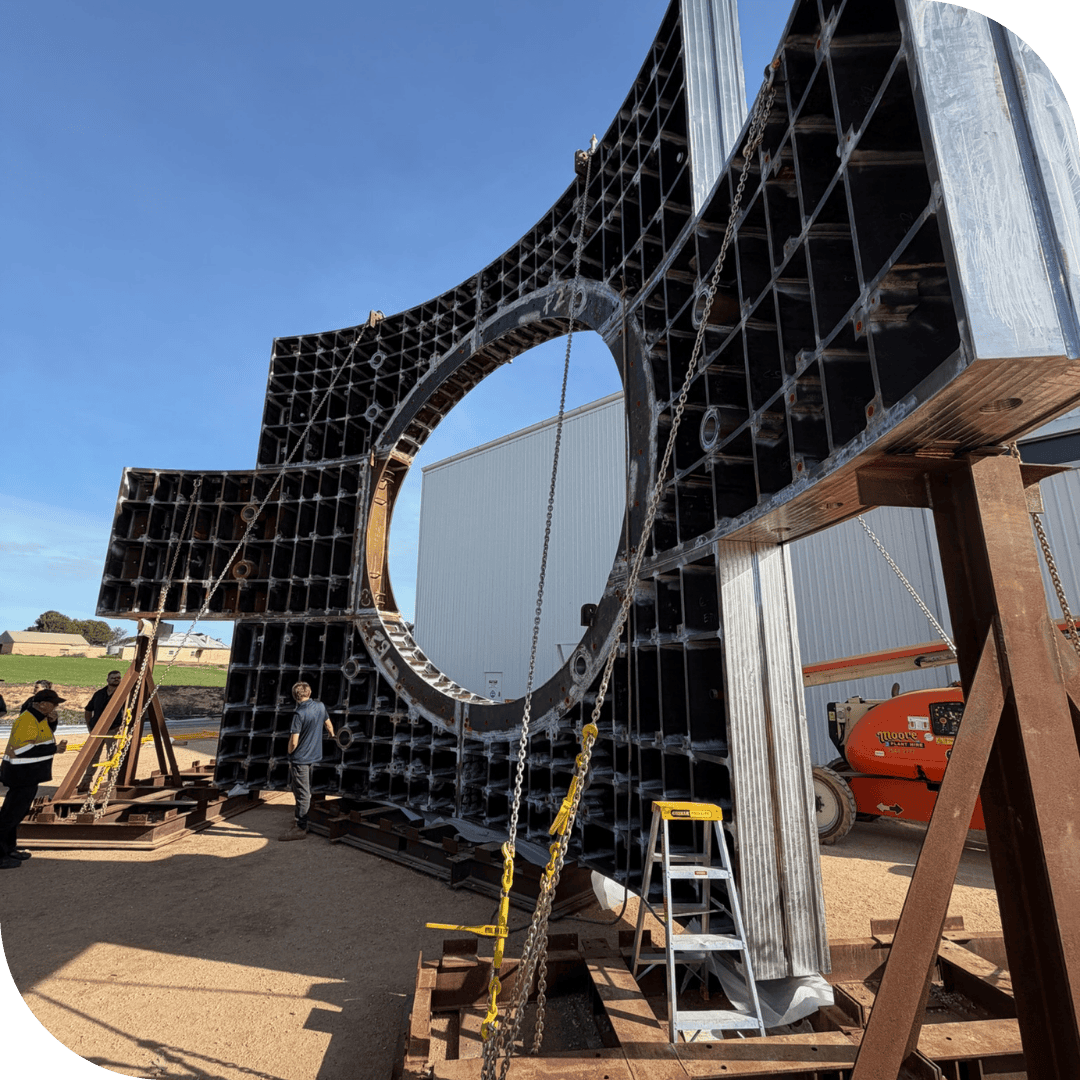
That purpose is being tested right now on one of the biggest packages bowhill has ever taken on. 108 sets of cross tunnel passage openings, 648 individual steel segments, each one over 10 tonnes. More than 7,300 tonnes of steel in total, heavier than the entire metal structure of the Eiffel Tower.
We won the project in December 2024. Since then the team has worked alongside the design group right through 2025 and into 2026, on everything from weld sequencing to how our steel integrates with the concrete moulds, work that was never officially in scope, contributed anyway through weekly meetings, because getting involved early changes the outcome for everyone on the job.
Nicola Lezzerini from CPT Technology put her name behind the result:
“Without bowhill’s input and support, this process would have had more issues and taken longer. We highly recommend early contractor involvement on major infrastructure builds.”
That is a client backing bowhill on the record, not just in conversation.
The scale of the job meant round the clock production and a growing workforce, and it made one thing clear. A paper process, an isolated spreadsheet or one person’s memory is not resilience on a job this size. It is a single point of failure. That is why the tech investment stopped being a nice to have and became part of how bowhill delivers safely and repeatedly.
People
None of it happens without the people making the equipment earn its place.
The three seven axis robotic welding systems give repeatability on high volume welding, but a robot is only as good as the system feeding it. The model, the fit up, the surface prep, the sequence, all have to line up, or the robot just repeats the mistake with impressive consistency. One real fix came from a shift lock issue that was stopping the welding tool finding the exact spot to strike an arc. Turning that feature off let the robot find the contact point properly, and made the programming far less time consuming.
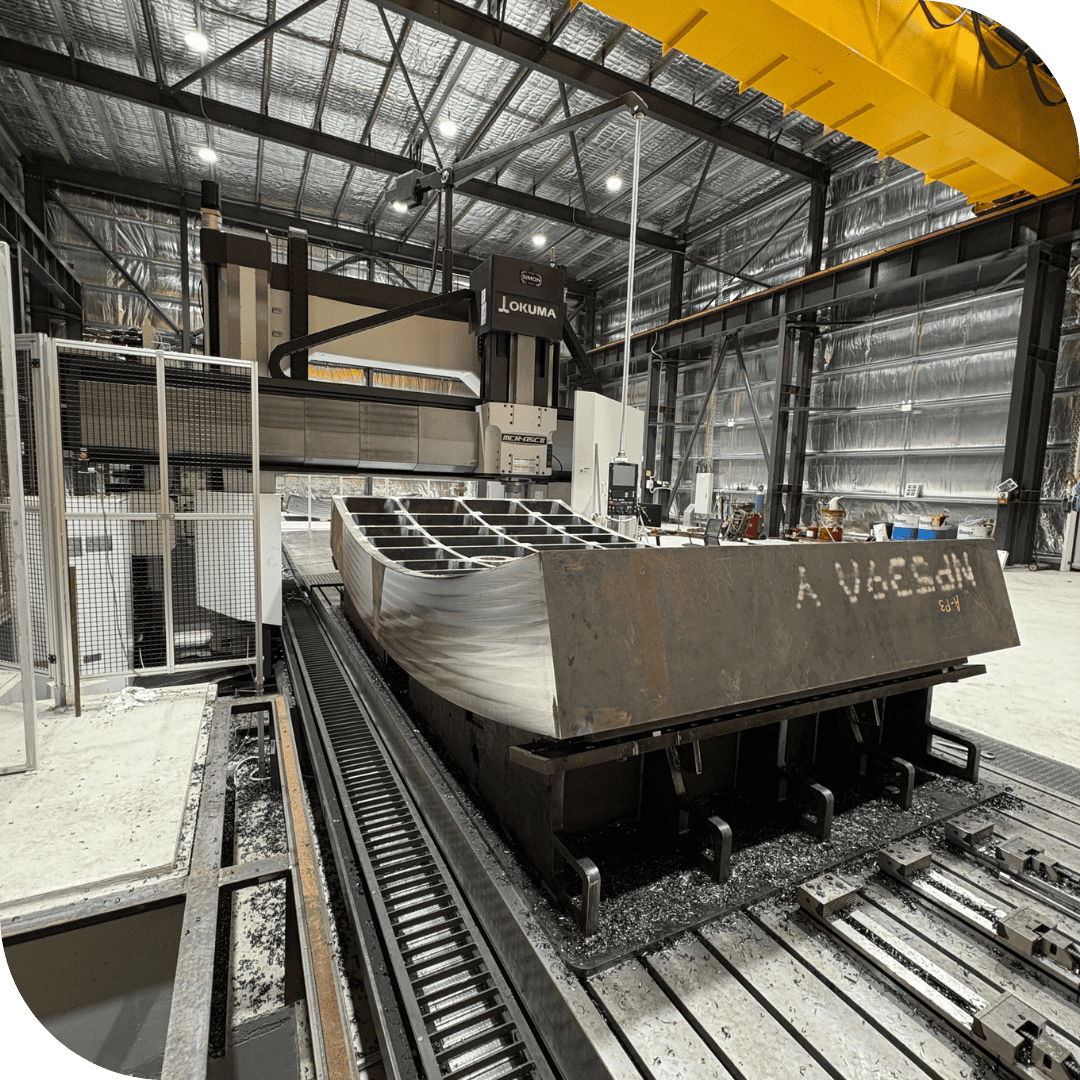
The Okuma double column five axis CNC machine lets bowhill machine very large, complex components to a tolerance of 0.3mm, the kind of accuracy major infrastructure work demands. Buying that capability ahead of guaranteed demand took real conviction, because complex work can and should be delivered from regional Australia.
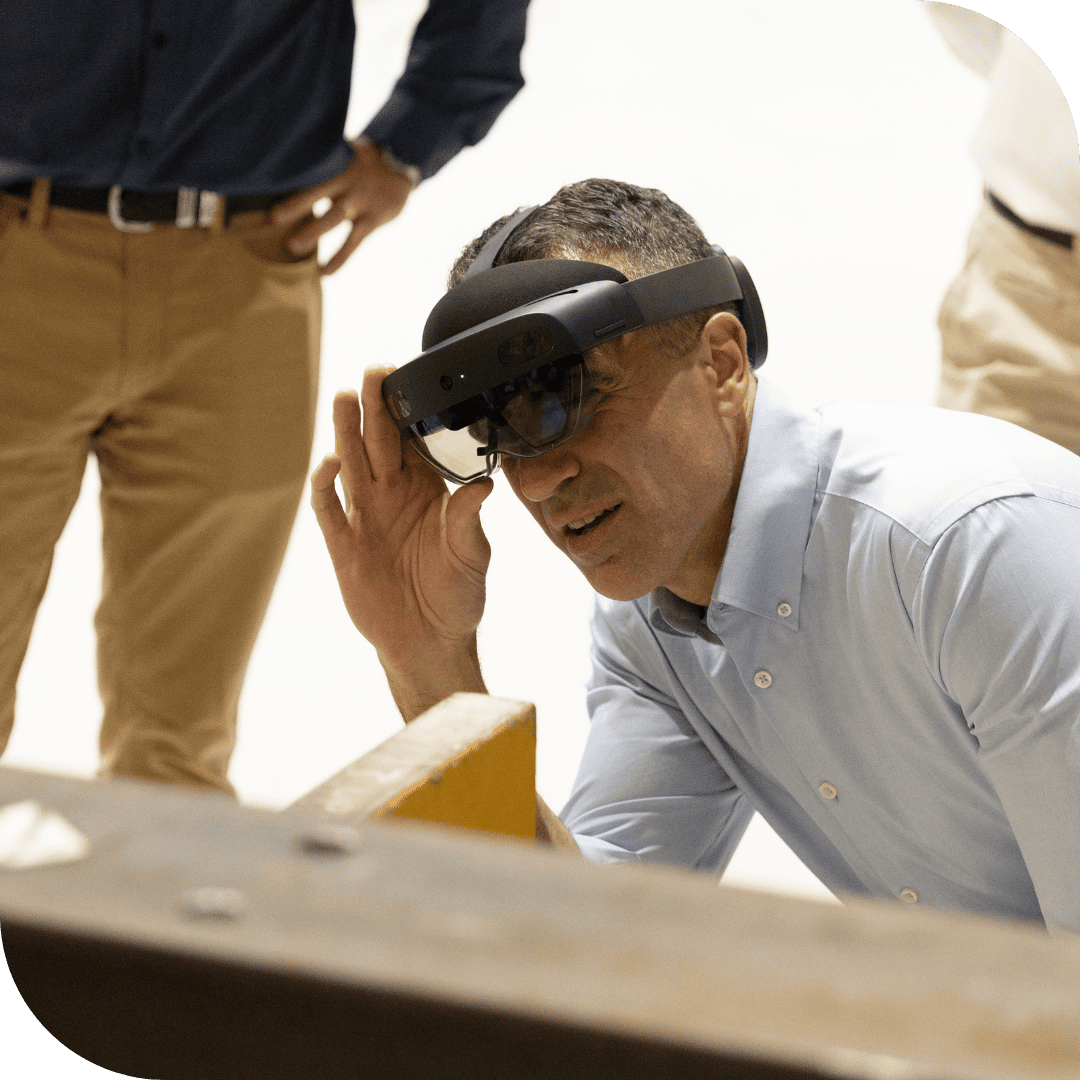
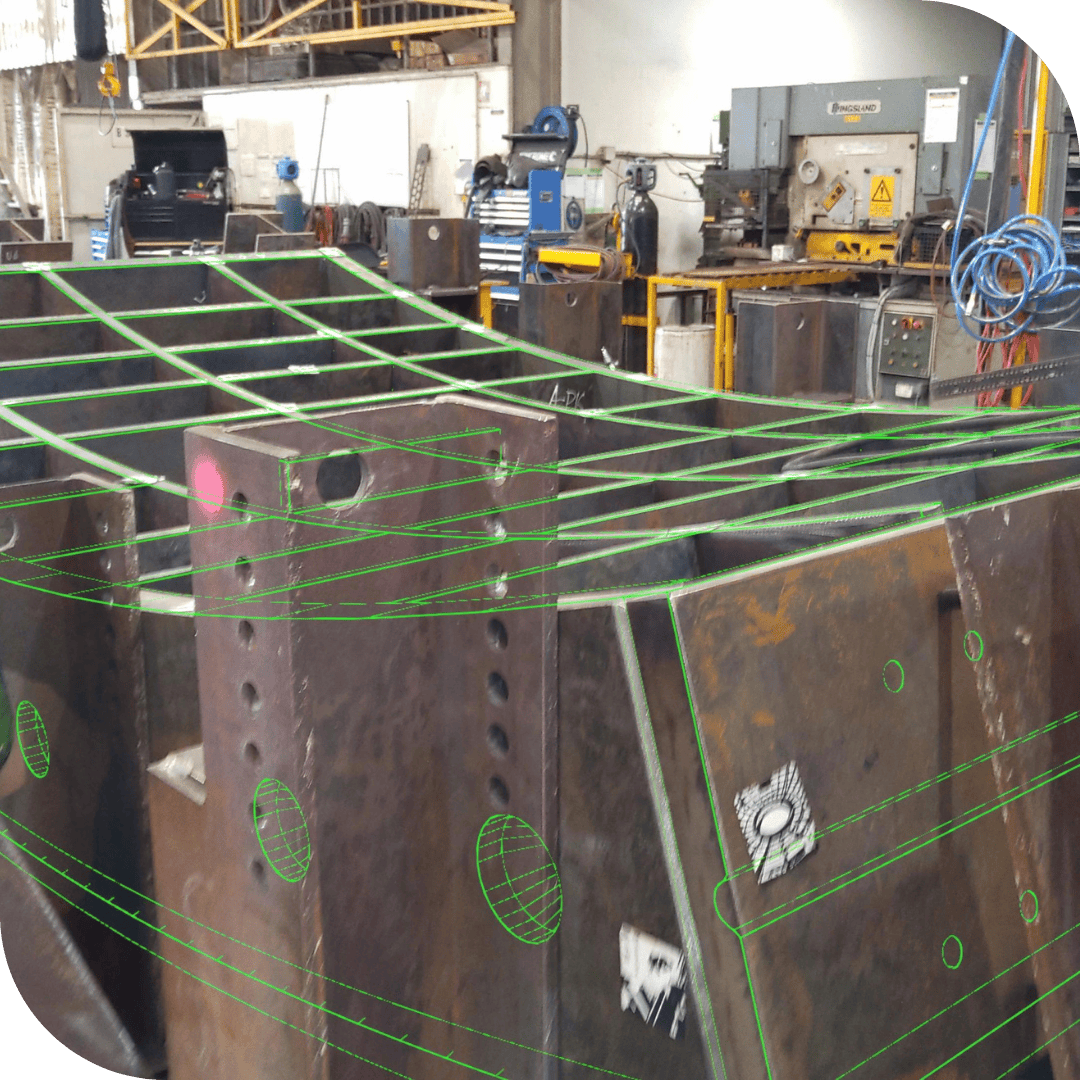
HoloLens and FabStation bring the design model to the workface itself, so the people doing the work can see design intent clearly rather than treating the 3D model as something that belongs to the design office. The apprentices in particular have taken to it fast. It gives them a quick sanity check that the drawing is the right way around, the cleats are where they should be, and the dimensions are within tolerance.
Then there is the problem that had no manual. Twenty three years in the industry, and Jodie had never come across pad welding until six months ago, when the sheer concentration of welding on this project pushed distortion up to 12 to 13mm, well past the 8mm shrinkage normally allowed for on a job this size. The team worked through it with sequencing changes, extra material margin and adjustments to heating and cooling, trial and error until the right combination landed, and have nearly engineered the need for pad welding out altogether.
That kind of persistence does not show up in a highlight reel. It is exactly why clients keep trusting bowhill with work at this scale, and why a room full of industry peers at ASI were nodding along rather than just watching a case study go past.
We are proud to do this work from regional South Australia, proud of the people doing it, and proud the industry is backing us in doing it.